PortfolioEMBEDDED SYSTEMS / PRODUCT DEVELOPMENT

Embedded systems / Product development

Sobriety Suite
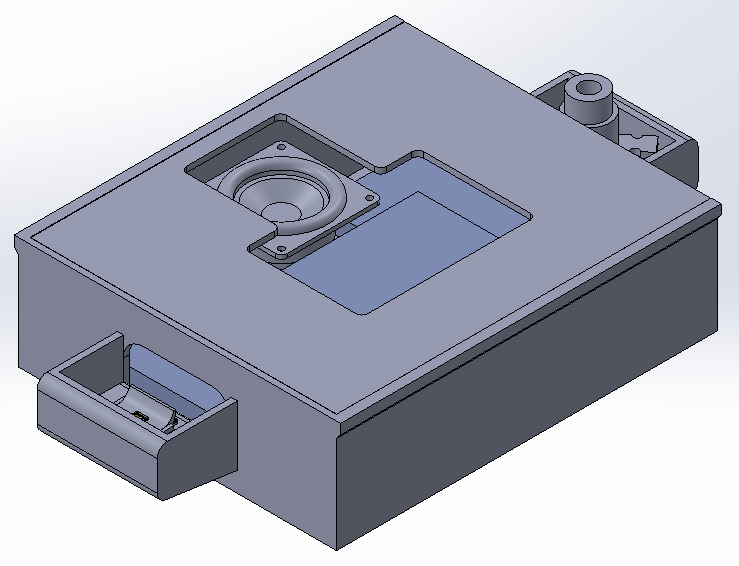
Sobriety Suite is an educational embedded-systems prototype combining breath-alcohol sensing, reaction-time testing and heart-rate measurement in a portable enclosure. An Arduino UNO R4 WiFi coordinates the sensors, on-device interface and a local web page for viewing results. The project focuses on integrating electronics, firmware and mechanical packaging; it is not a certified medical device or a way to determine fitness to drive.
Read the project datasheet (PDF) ↗

01 / Implementation

A portable, integrated prototype

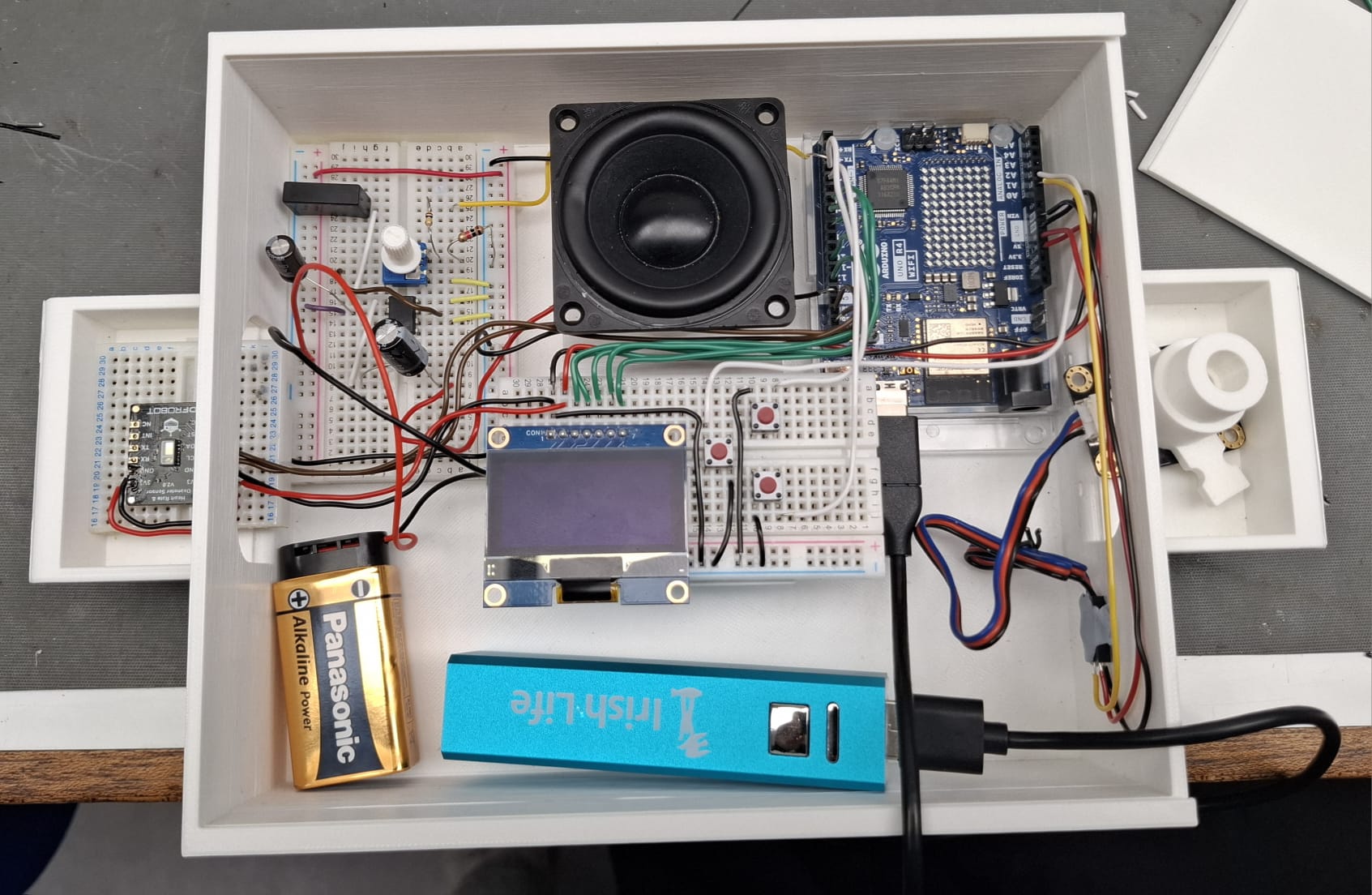
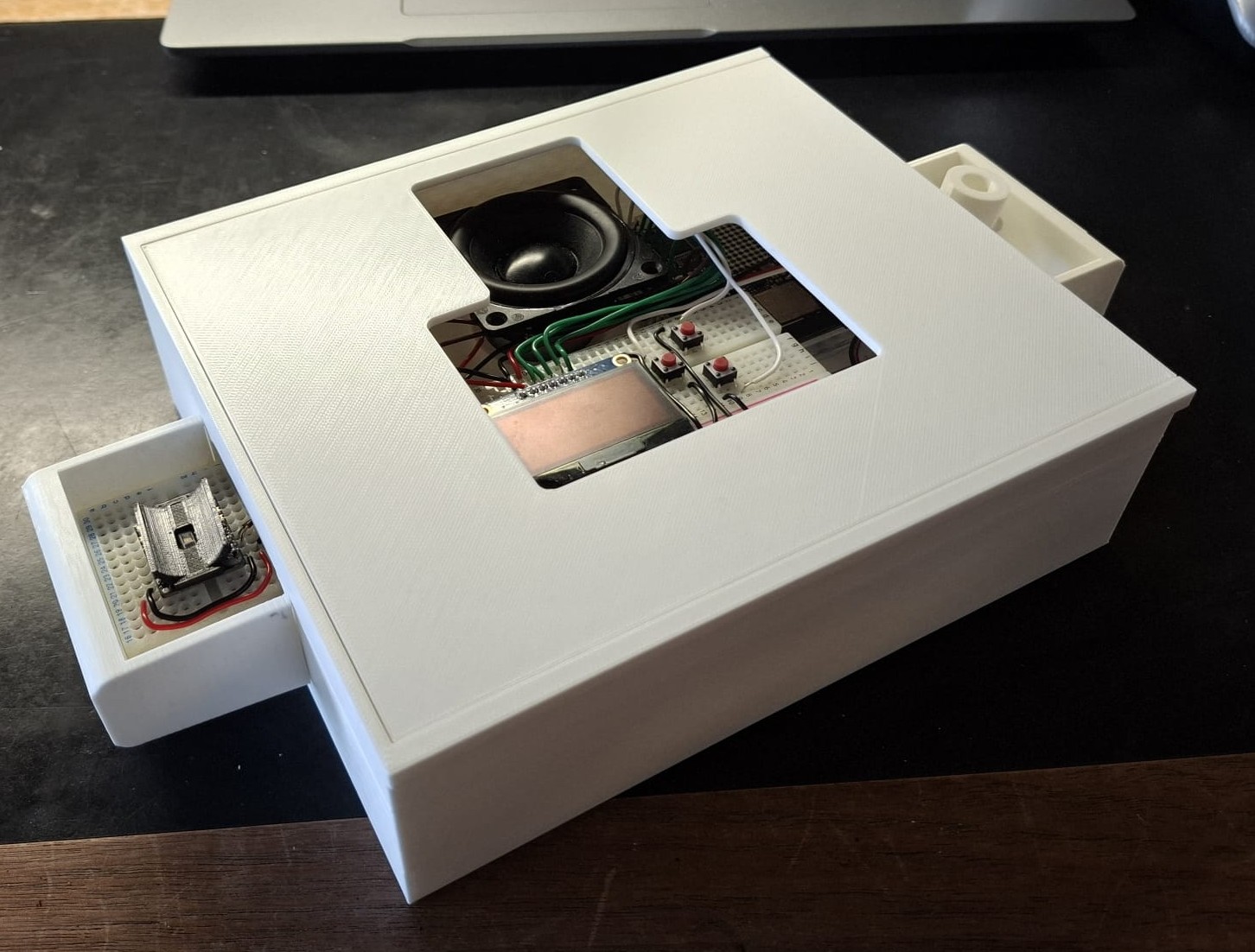
The finished unit brings together an OLED screen, three navigation buttons, a speaker and the test sensors inside a 3D-printed enclosure. Visual prompts and audio cues guide the test sequence, while custom adaptors help standardise sensor positioning.

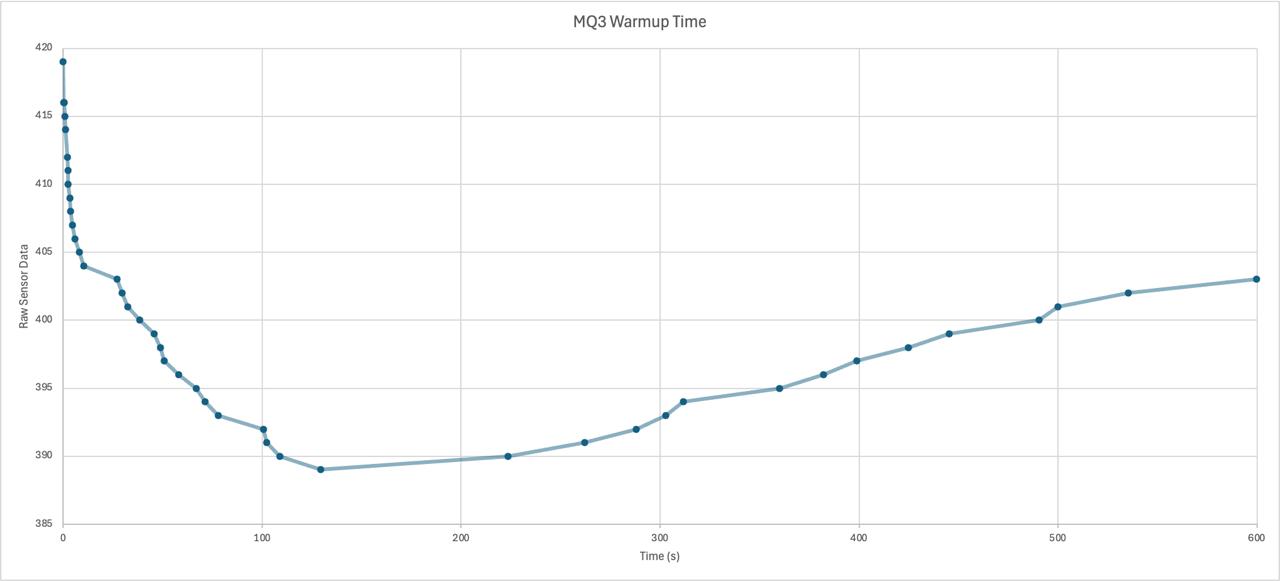
The MQ3 alcohol sensor uses a ten-minute warm-up period before testing. A printed adaptor provides a consistent mouthpiece position, and a separate jig improves finger placement over the optical heart-rate sensor. The reaction-time test uses a random delay before its prompt to discourage anticipation.

Results appear on the device and on a web interface served directly by the Arduino's Wi-Fi access point. The page polls a JSON endpoint every three seconds, so it can update without an internet connection or a full page reload.

02 / System design

Power, signals and iteration

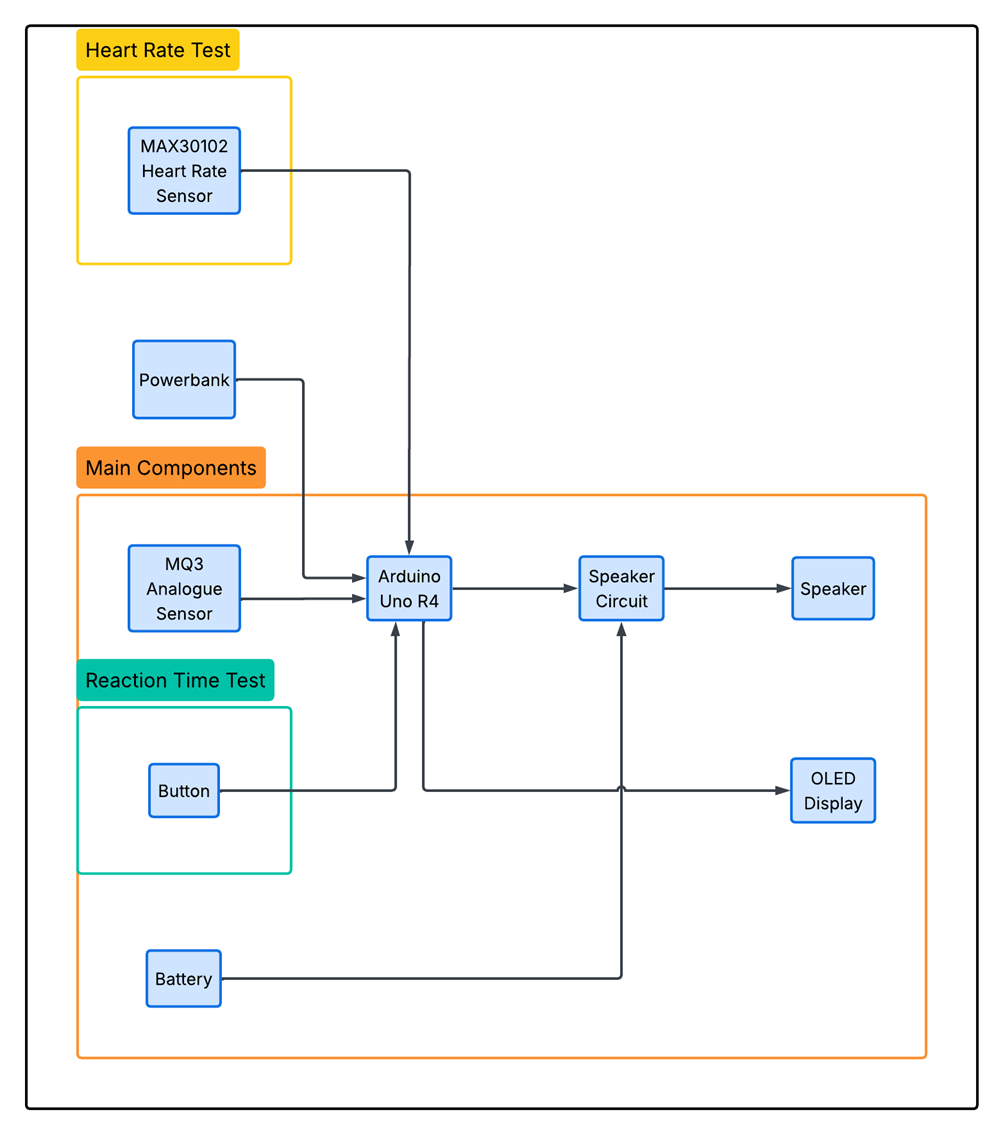
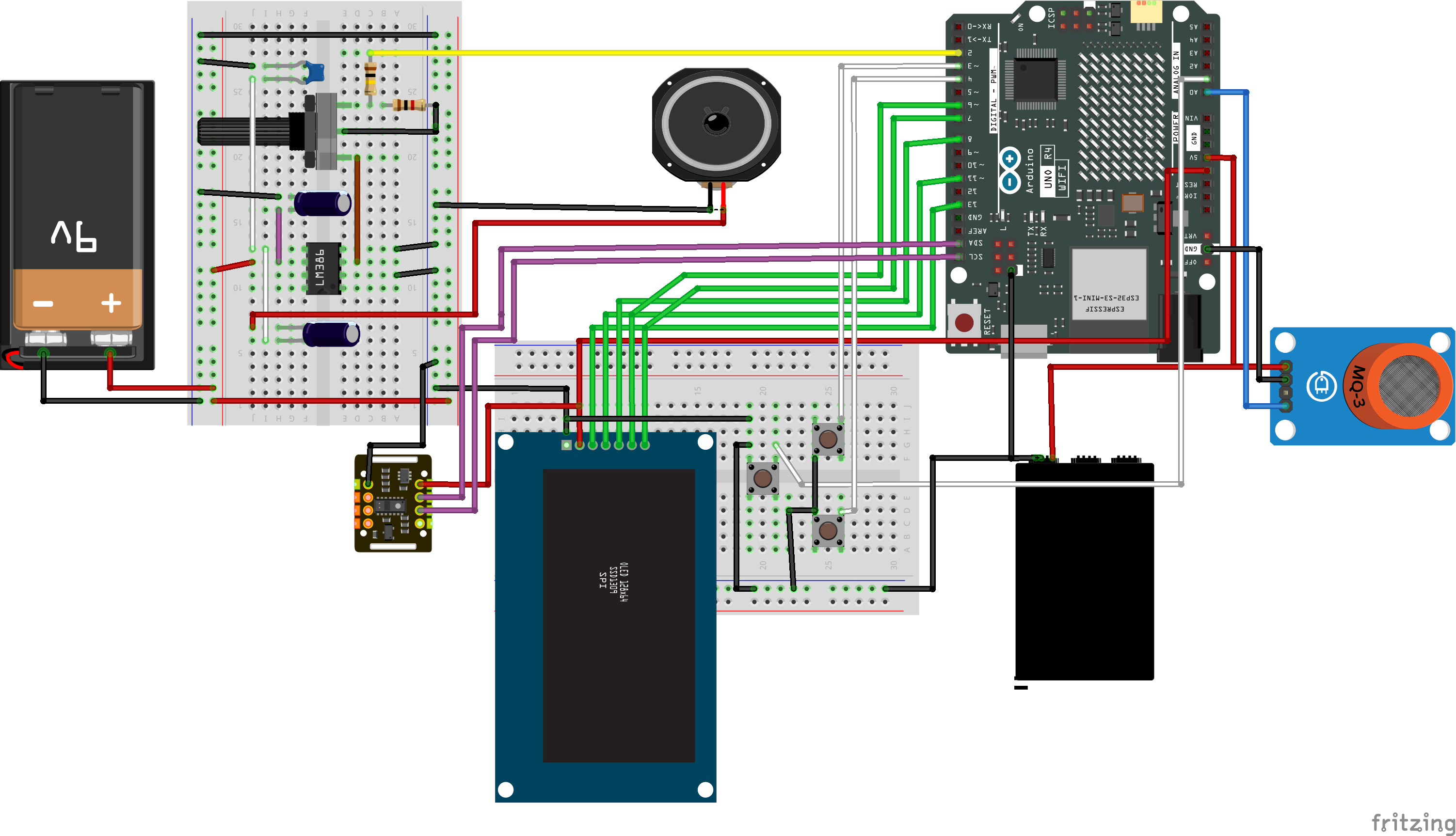
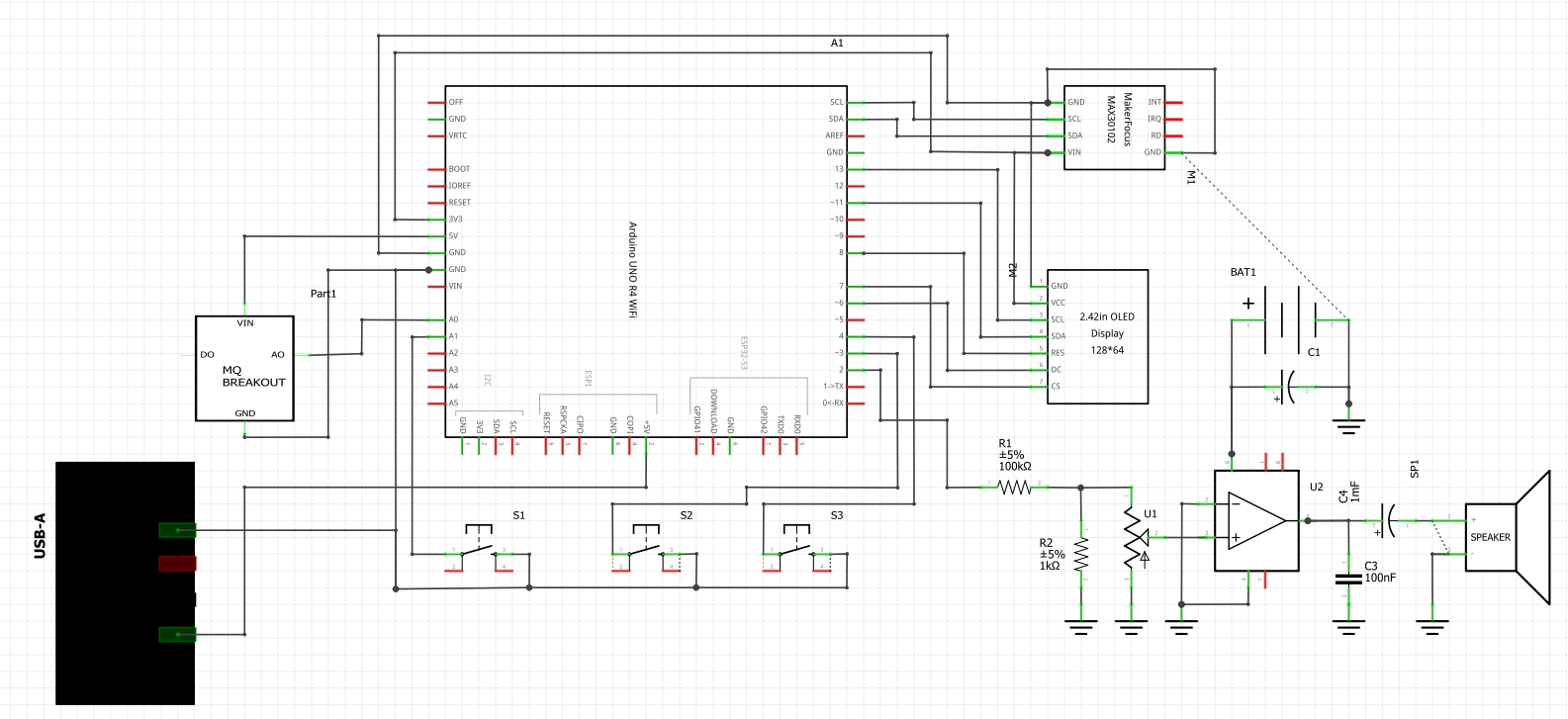
Revision 2 separates the power supplies: a rechargeable USB power bank powers the Arduino, display, sensors and buttons, while a 9 V battery supplies the LM386 speaker amplifier. A potentiometer adjusts the audio level, with coupling and decoupling capacitors used to reduce noise.

Moving from the Nano 33 IoT to the UNO R4 WiFi removed the earlier buck converter from the MQ3 supply. The revised design eliminated the reported speaker hum and reduced sensor warm-up from 30-45 minutes to approximately ten minutes.

The design work also documented measurement limitations. Sensor placement and movement affect heart-rate readings, and button debouncing adds latency to reaction-time measurements. The datasheet notes that the alcohol calibration still came from Revision 1 and would need updating for the revised power circuit.