Portfolio FORMULA TRINITY / 2025–26

Mechanical engineering / Team leadership

2025/26 Powertrain Lead
for Formula Trinity
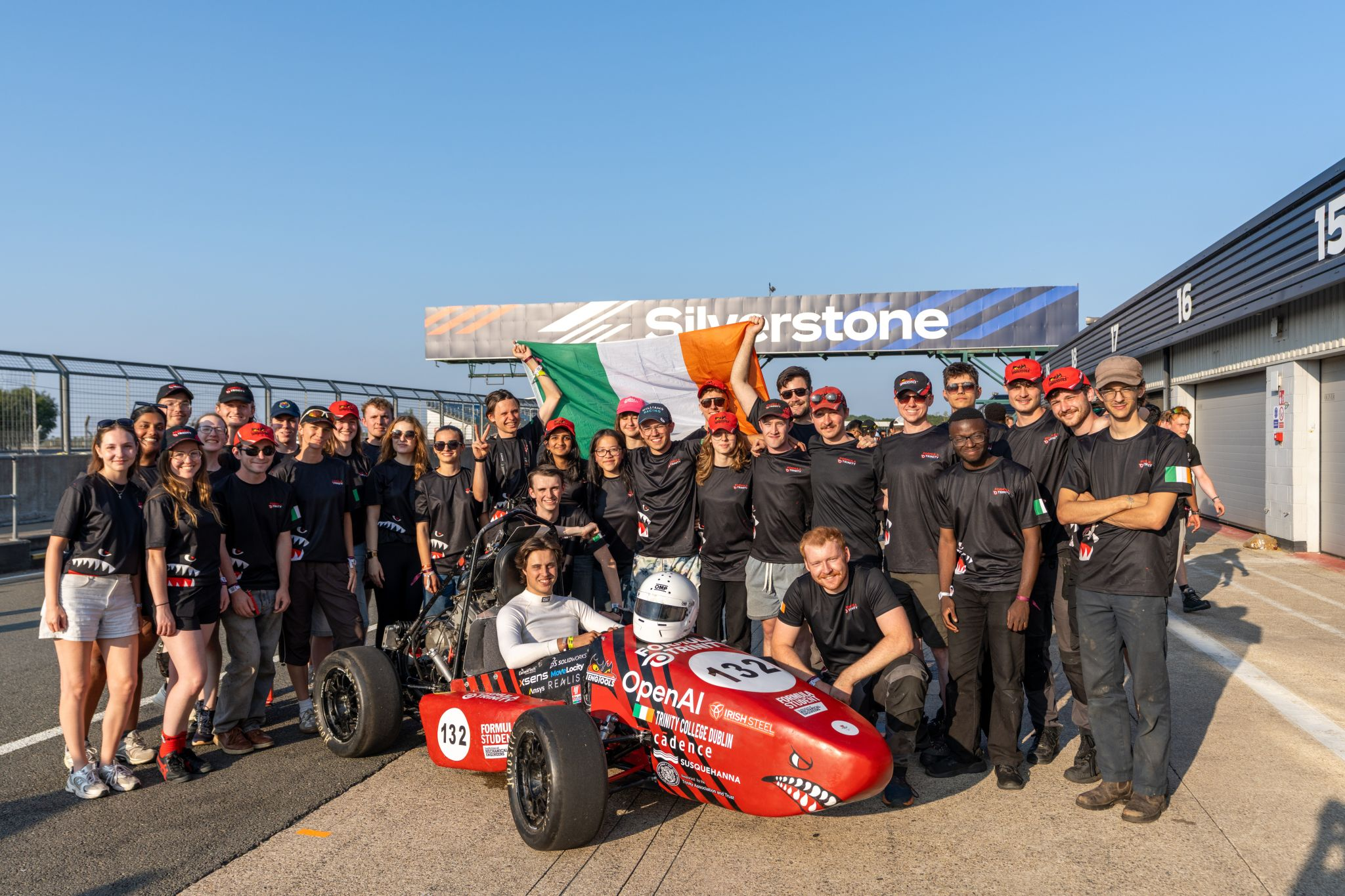
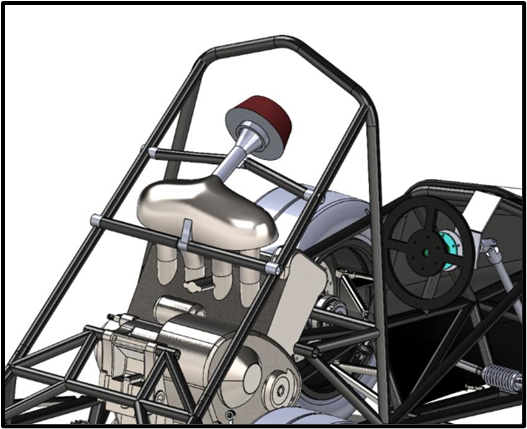
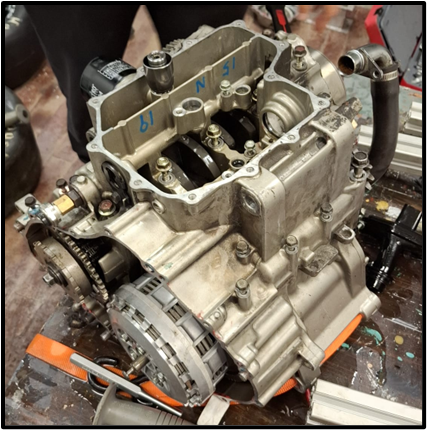
For the 2025/26 season, I took over as lead of the powertrain department for Formula Trinity, a Formula Student team building a single-seater internal combustion race car based around a Honda CBR600RR engine.

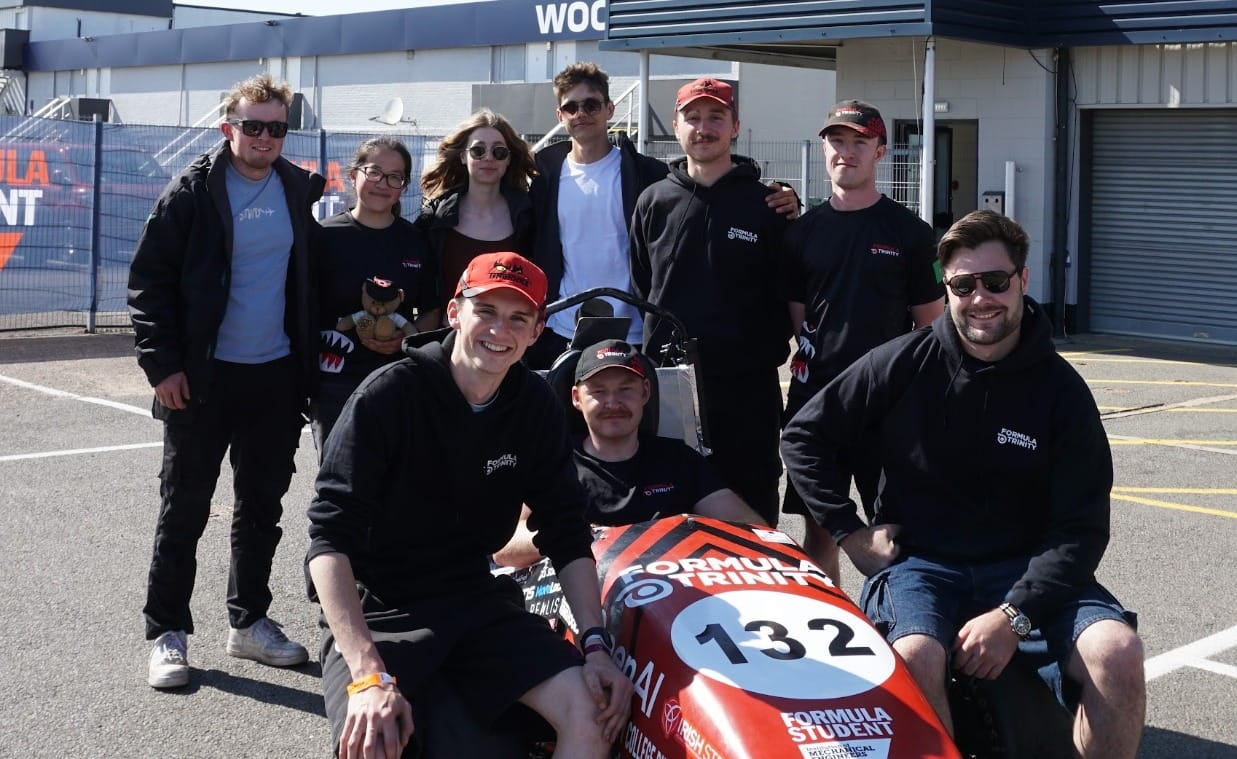
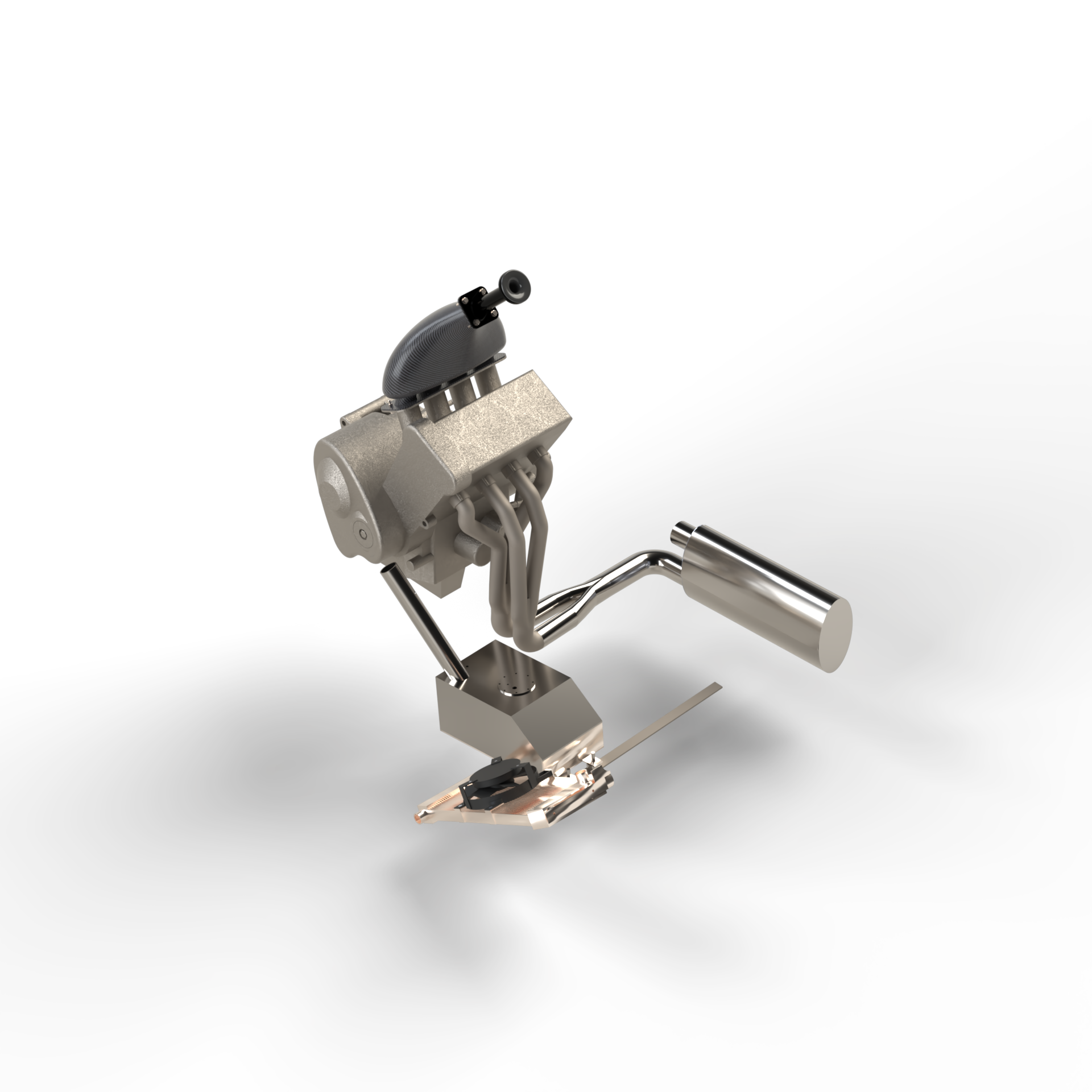
At the time, all other department members had graduated or left, meaning that I was in charge of rebuilding the powertrain team. I recruited 8 new members and led the design, verification and manufacturing of 5 subsystems: the intake, exhaust, muffler, fuel and cooling systems.

Within one year, I learned about all of these systems, had to figure out how to lead an 8-person team and coordinated with other departments.
Subsystem 01

Muffler

Challenge

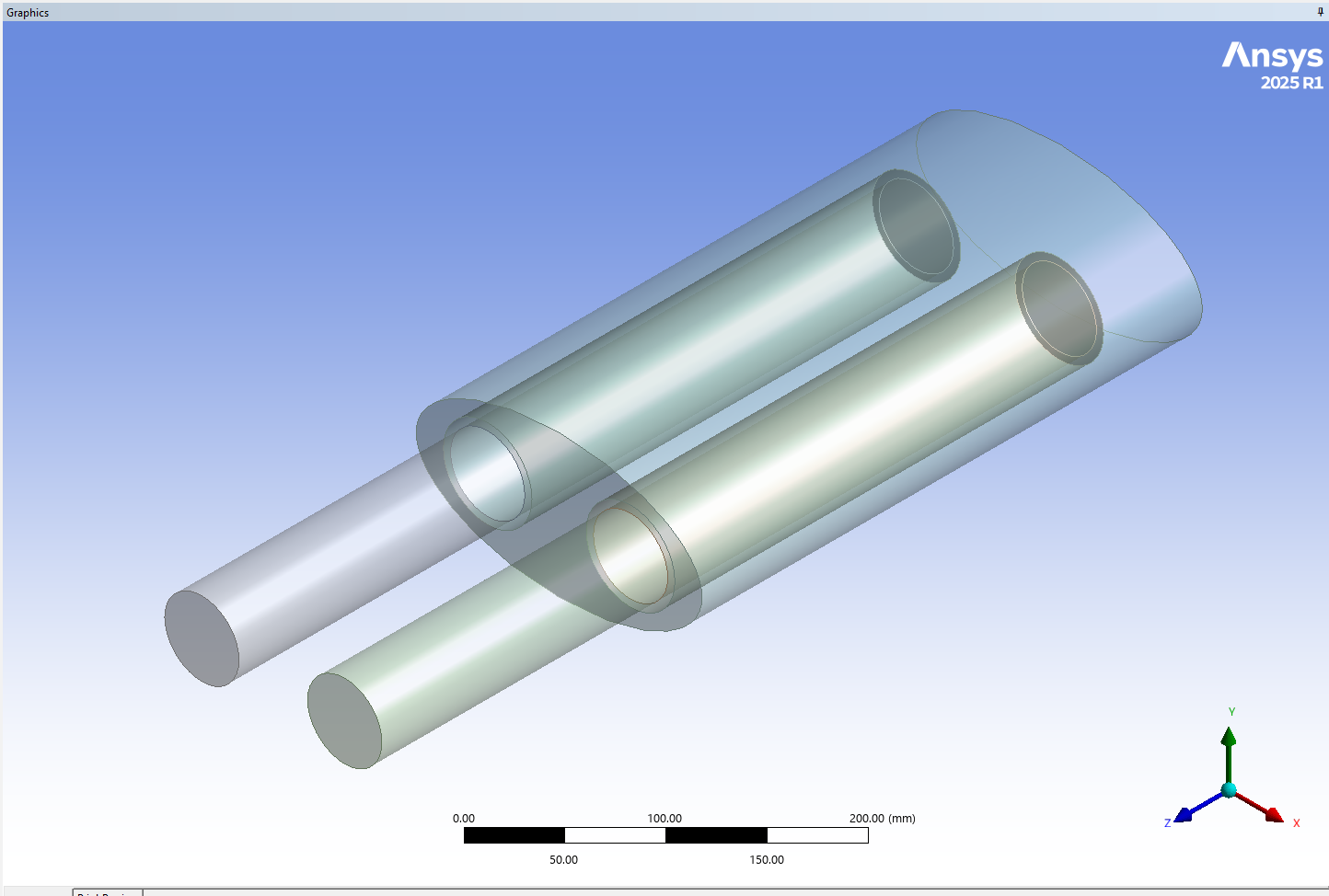
The muffler attenuates engine noise, which is heavily regulated by Formula Student. This season we developed the team's first custom muffler, since the part performs best when tuned to the relevant frequencies based on our engine.

Result

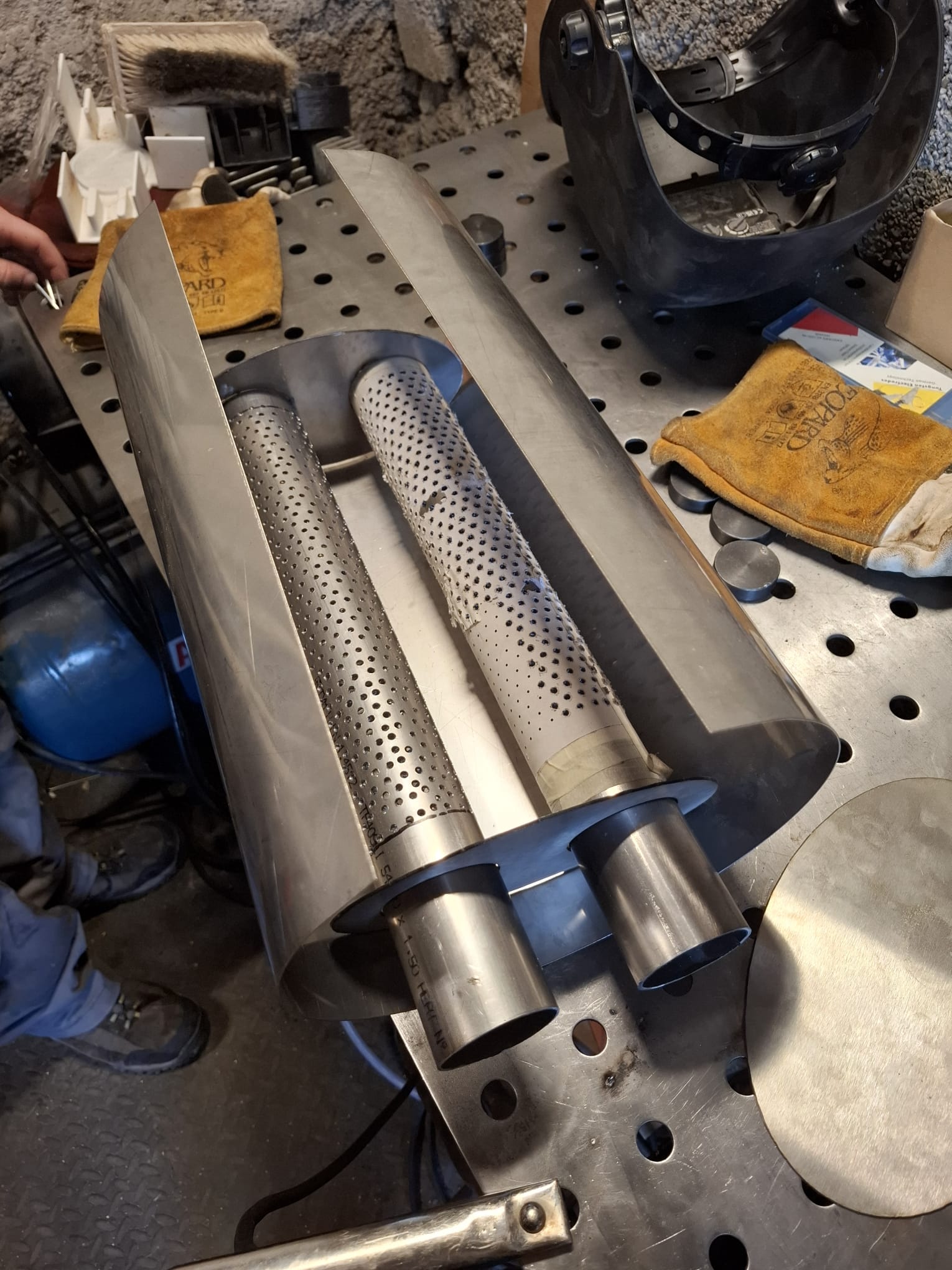
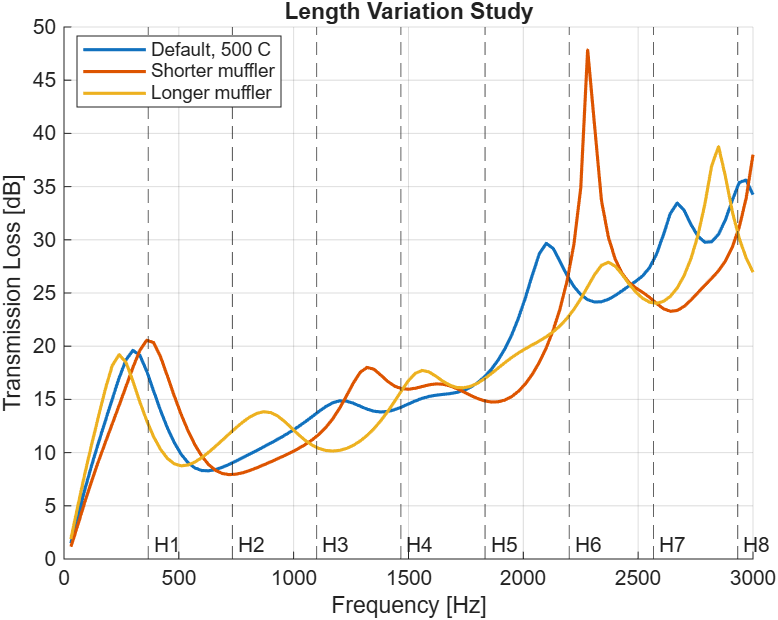
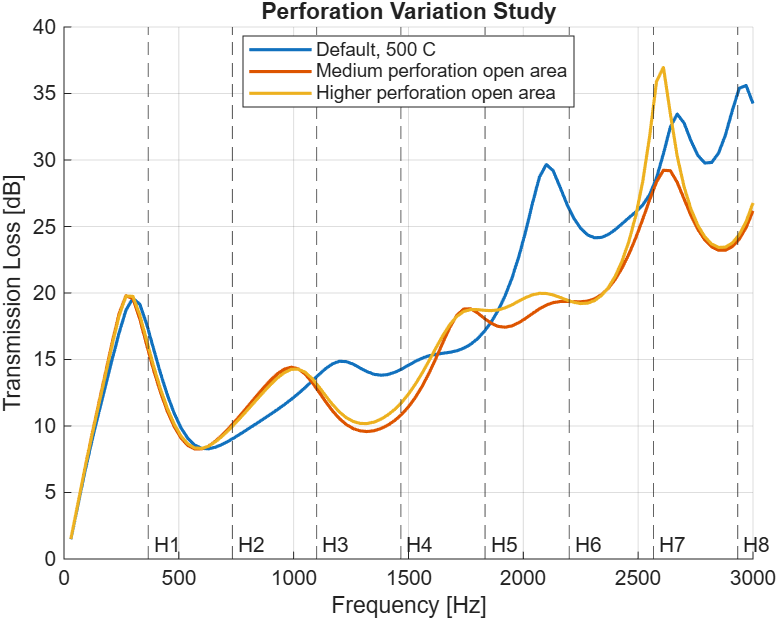
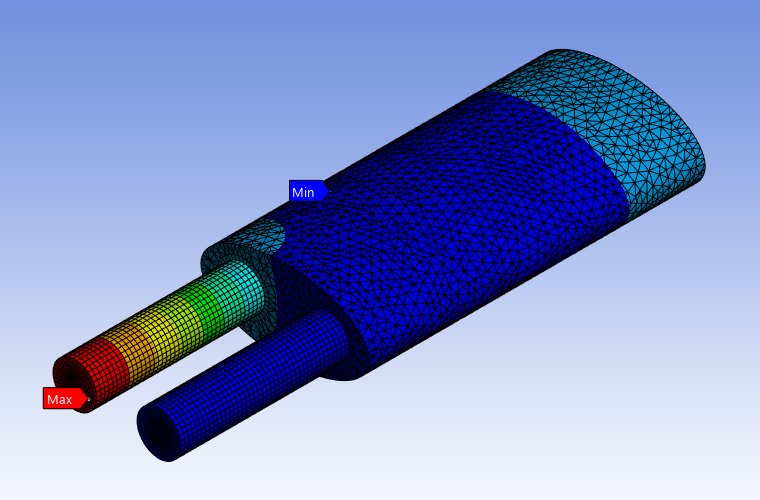
The final design combines absorptive properties with a reactive chamber to perform well over a broad frequency spectrum. Geometric features were determined through ANSYS Acoustics simulations which I ran.

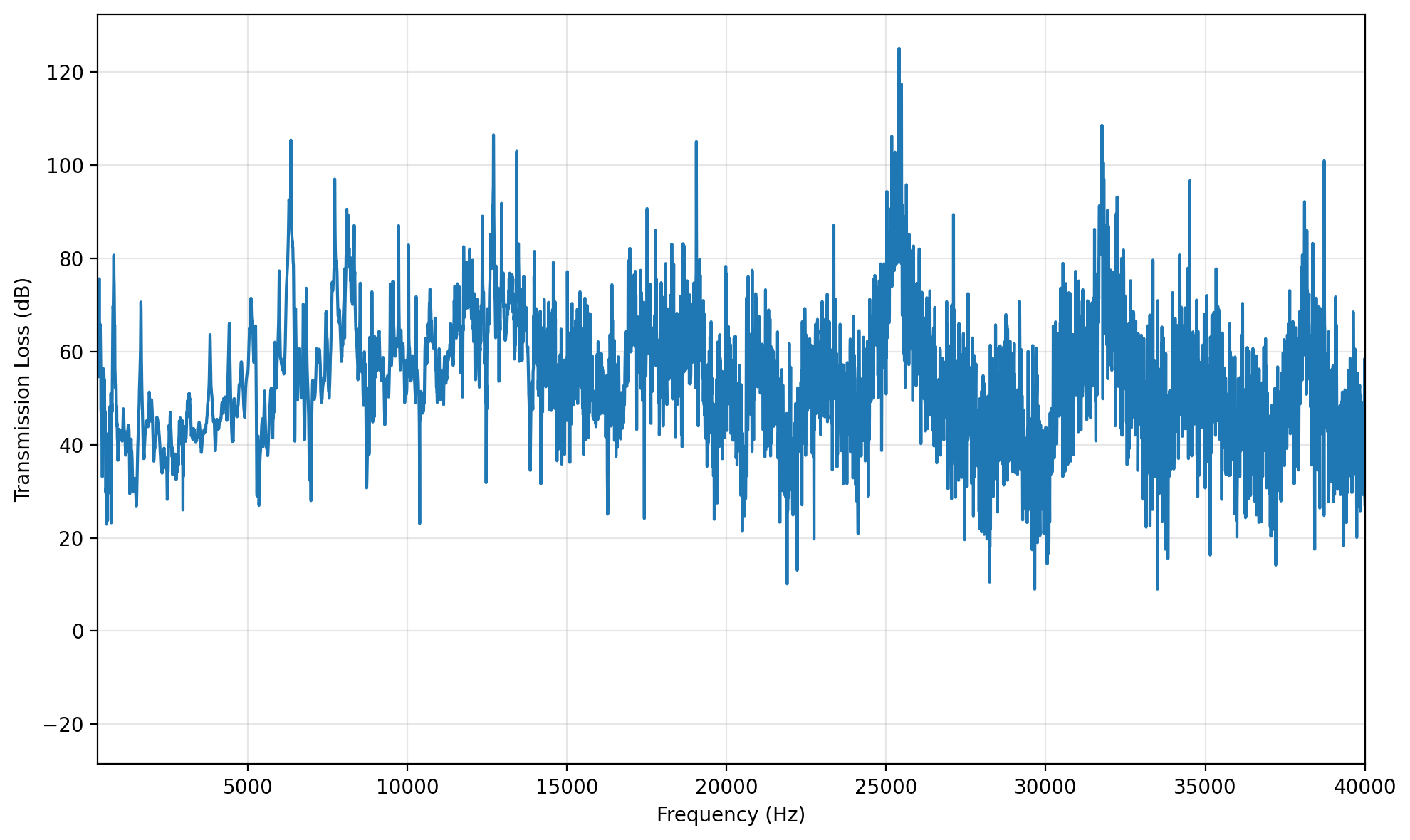
The absorptive material was selected based on laboratory tests with a small impedance tube, made possible through coordination with the college and the design of suitable adaptors and adjustments to the manufacturing process.

Subsystem 02

Intake

Challenge

The intake is responsible for airflow into the engine, which directly influences volumetric efficiency and thus performance. This requires an understanding of airflow characteristics and pressure wave resonance to choose the correct size and geometry.

Result

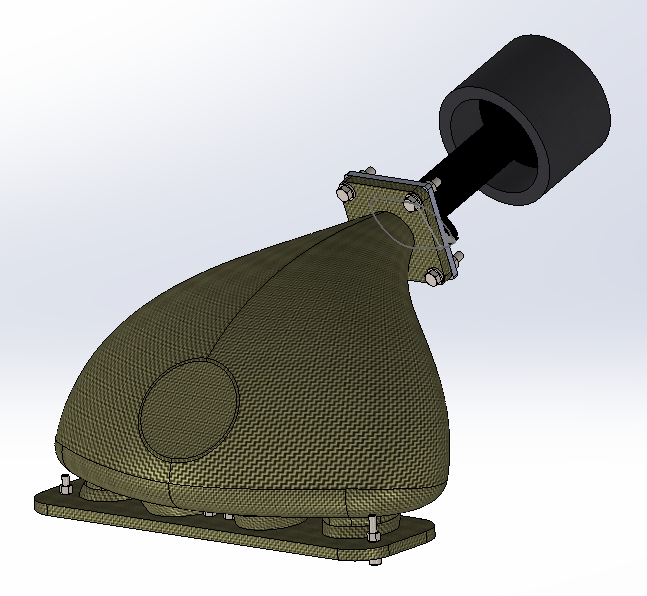
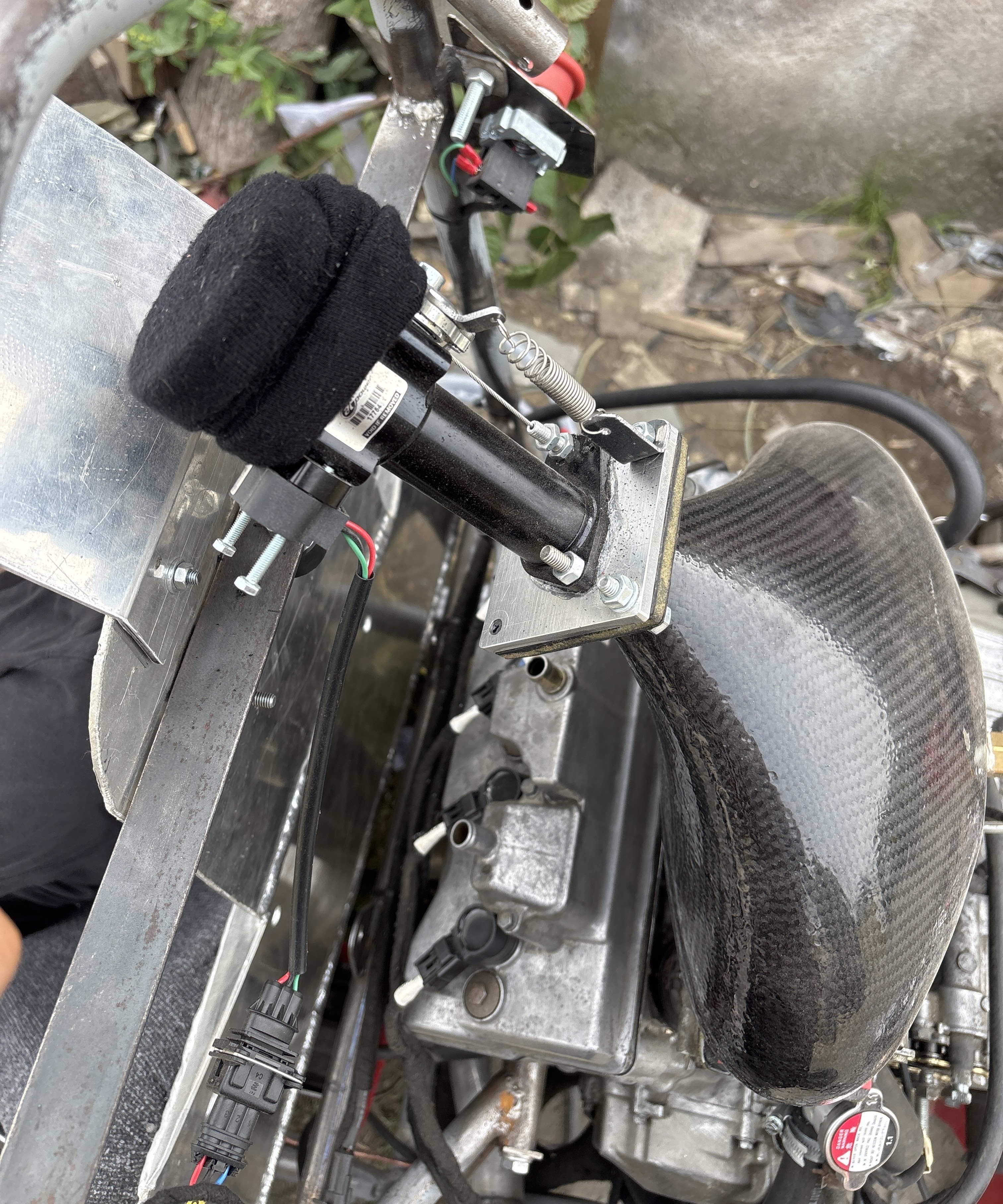
The final intake manifold was based on my design, which focuses on a compromise between even pressure distribution across cylinders and a geometry allowing for little pressure loss. It was manufactured out of carbon fibre by a team member, representing the team's first composite intake manifold.

At competition, we received positive feedback on the calculations and research done for the design, and the system was approved as rule-compliant. In the future, different material options will be explored by the team.

Subsystem 03

Exhaust

Challenge

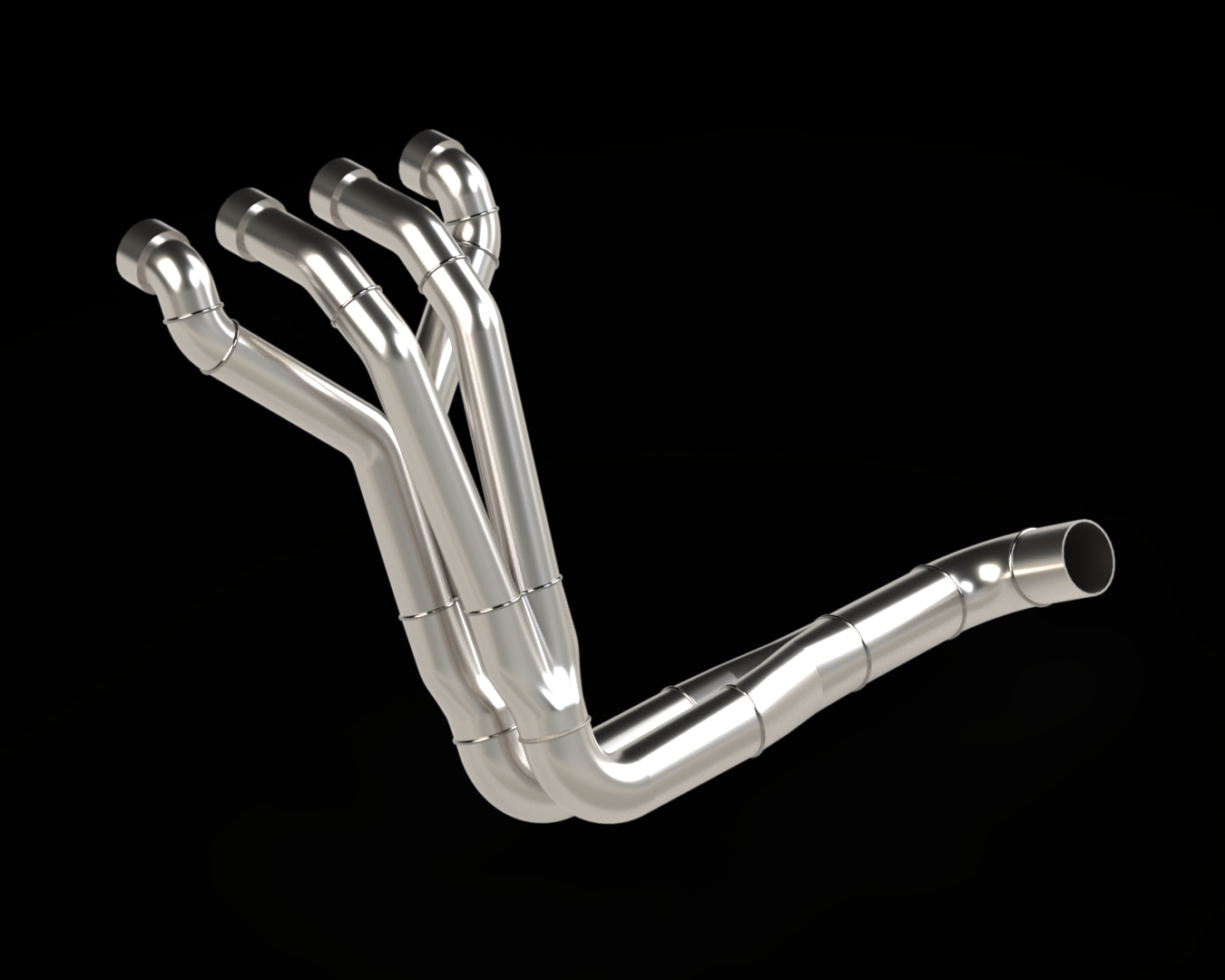
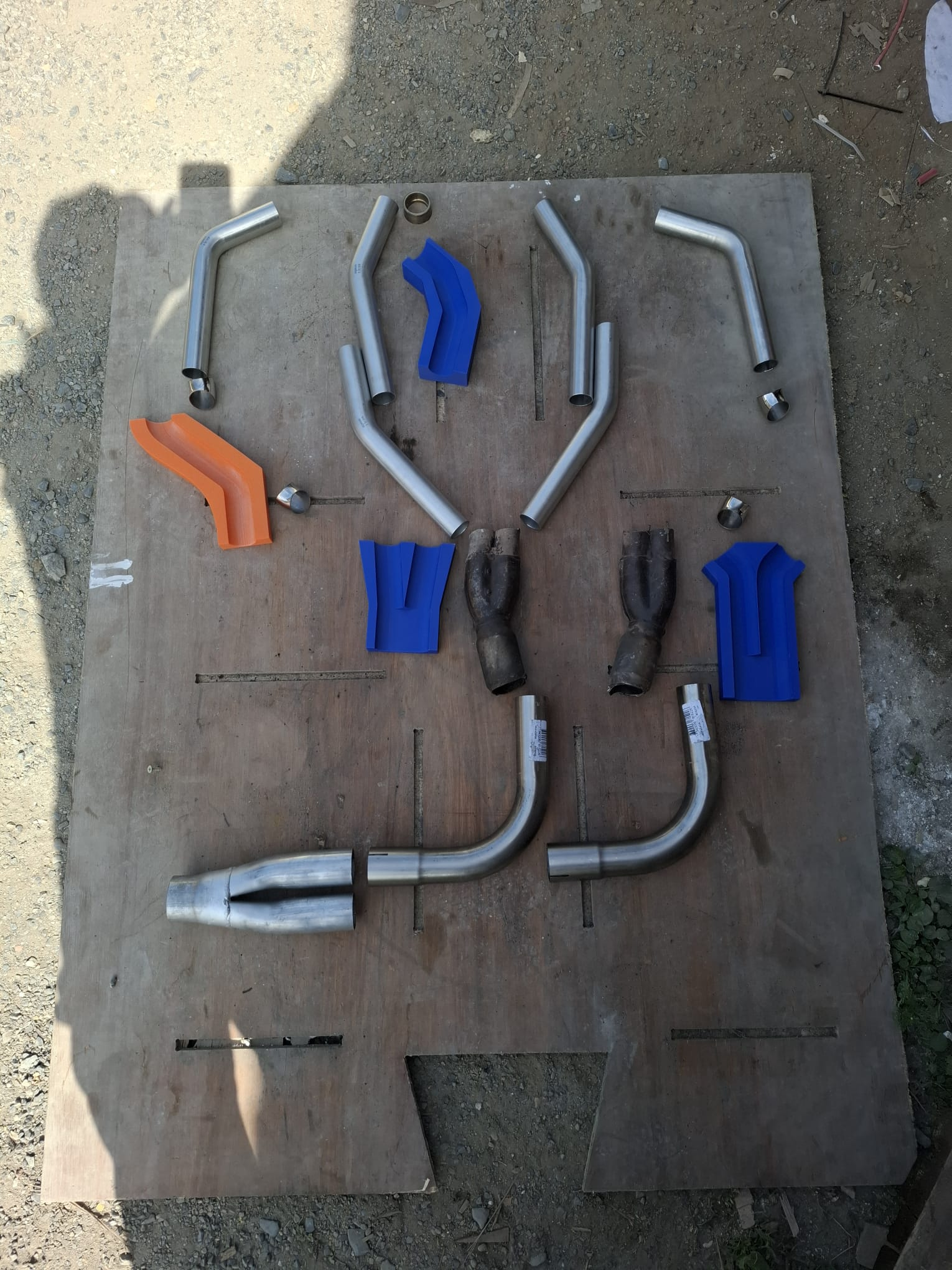
Similarly to the intake, the exhaust requires tuning to the engine's frequencies as it influences airflow out of the engine. We had to manufacture it ourselves from standard angled pipes and deal with significant tolerances due to available cutting methods.

Result

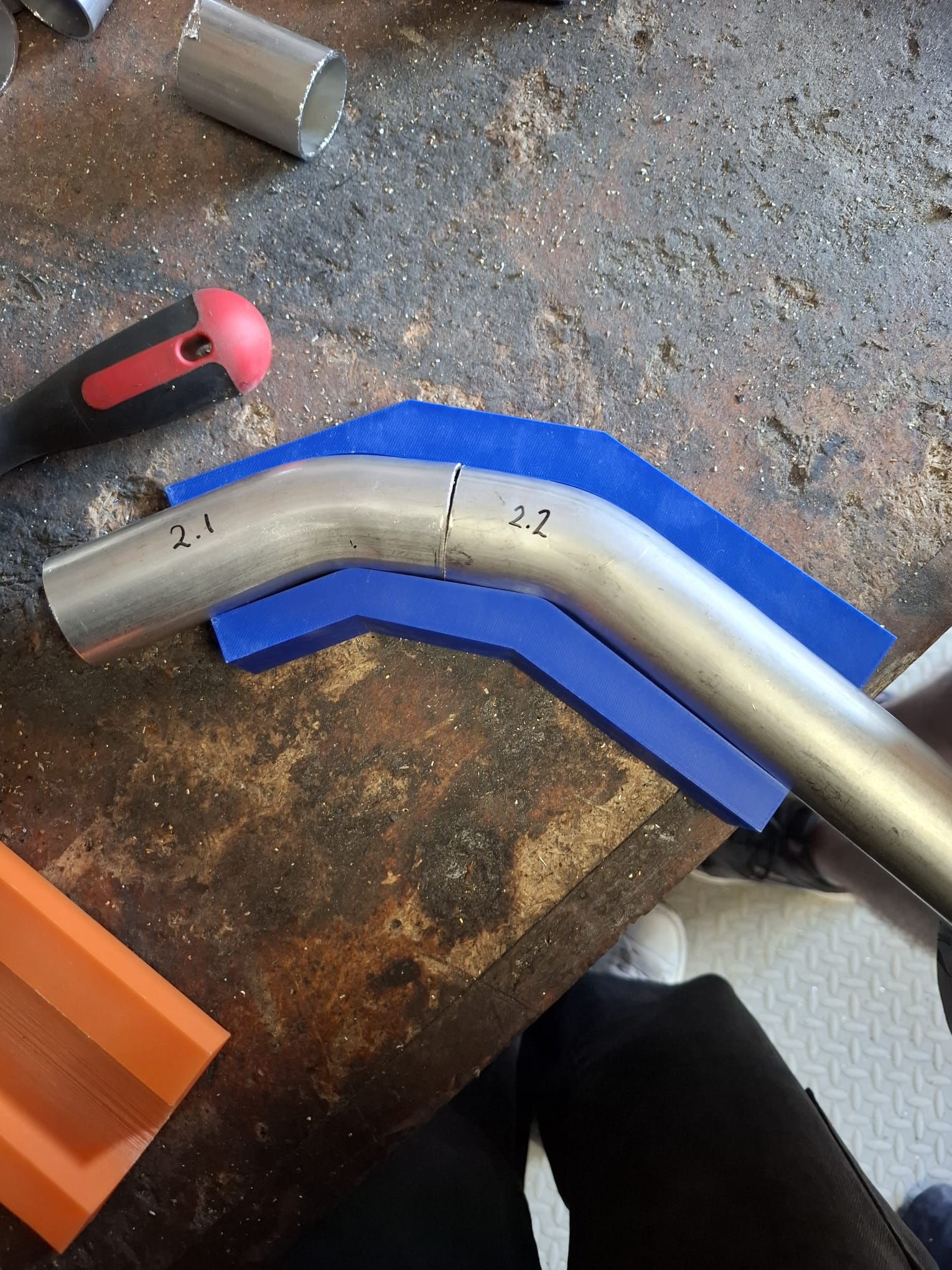
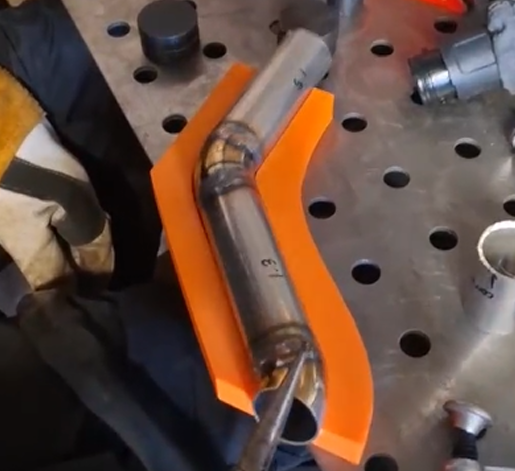
The exhaust was finished with adjustments along the way to compensate for CAD-to-real-life inconsistencies, and I personally handled many of the pipe section preparations. 3D-printed jigs were used to line up the part for welding to successfully lead airflow out of the chassis and into the muffler.